Deprecated: Using null as an array offset is deprecated, use an empty string instead in /home/u164612171/domains/ablebodieshc.com/public_html/wp-includes/functions.php on line 1194 Feeding/Meal-PreP – Able Bodies HealthcareSkip to content
Simple Meal Preparation: Preparing easy meals, snacks, and drinks based on the client’s preferences and routine.
Meal Set-Up: Placing food, utensils, napkins, and drinks within easy reach so the client can eat comfortably.
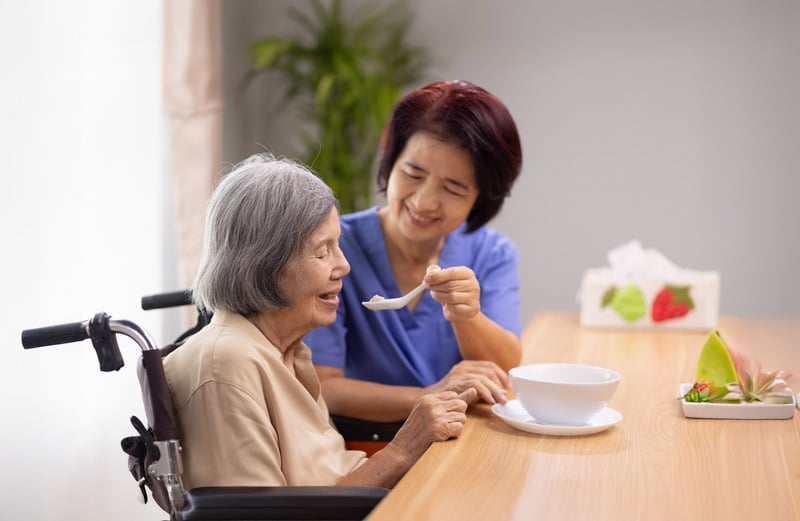
Feeding Assistance: Providing respectful assistance with eating when a client has difficulty feeding themselves independently.
Hydration Reminders: Encouraging clients to drink water or approved beverages throughout the day.
Grocery Organization: Putting groceries away, checking expiration dates, and helping keep commonly used foods easy to access.
Light Cooking Support: Preparing basic meals such as sandwiches, soups, salads, breakfast items, reheated meals, and simple snacks.
Meal Planning Support: Helping organize meals for the day or week based on the client’s preferences and family instructions.
Kitchen Clean-Up: Washing dishes, wiping counters, putting away food, and keeping the meal area clean and safe.
Diet Reminder Support: Following family-provided or physician-recommended instructions, such as low-sodium, diabetic-friendly, soft foods, or other meal preferences. Caregivers do not prescribe diets or provide medical nutrition advice.
Encouragement During Meals: Offering companionship, conversation, and gentle reminders to help make mealtimes more enjoyable.
Why Feeding & Meal-Prep Support Matters: Meal support can help clients maintain energy, hydration, strength, and daily routine. It can also reduce stress for family members who may worry about whether their loved one is eating properly or safely throughout the day.